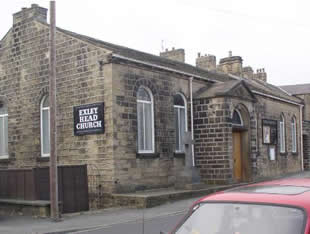
Your Custom Text Here
A Village History
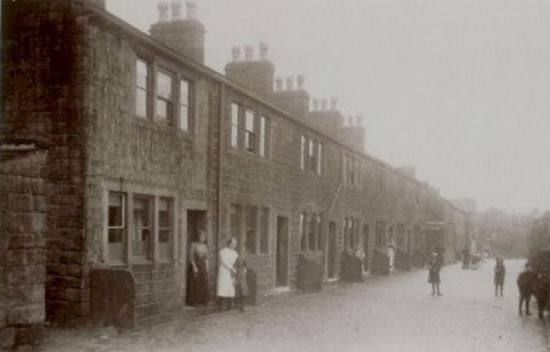
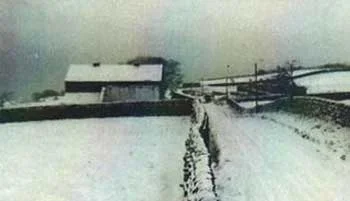
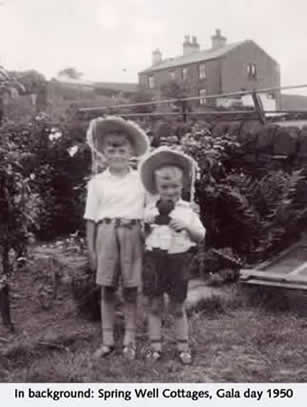
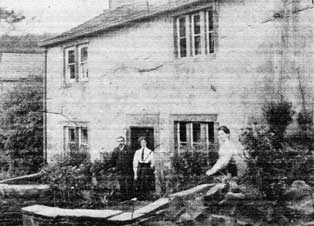
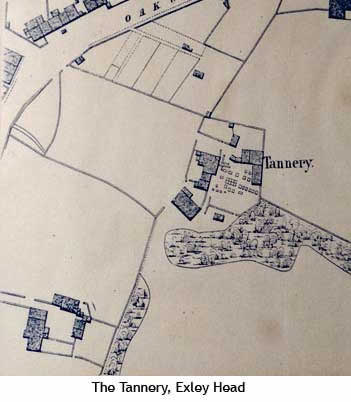
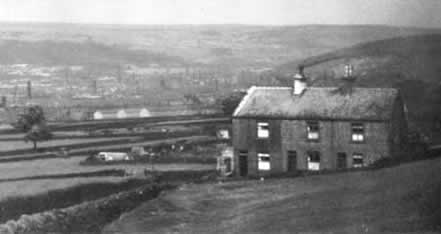
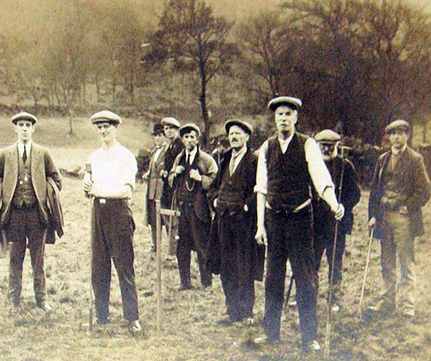
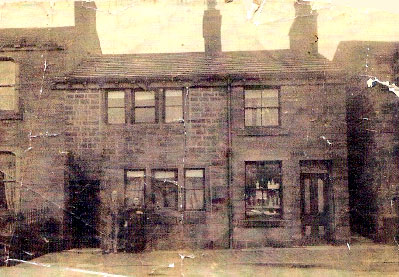
This e-Book is the story of the changes that forged a village out of a Yorkshire hillside, from its earliest records to 1953. It examines but one square mile, yet on noting that each fraction of it, each topographic sixth of it, has its unique character and occupations. To complete this, the book is published in six volumes, each fully illustrated with maps, diagrams, and antique photos. The statistics are fully listed; each working family is listed by name, date, and occupation, and, through the decades, their changes of address. Of interest t sociolfits an geneologists. At the higher plutocratic level, the landowners are traced, and sales are in part moving towards urban expansion.
Vol. 1. Hands-on farming.
The steep road up to this quiet village was a cul-de-sac, but in 1850, the community was torn in two by an urban road. Nevertheless, a local identity survives; this fascinating book recreates the flavour of the world our ancestors lived in. Includes a demographic database of residents.
78 images, 177 pages, 31 k words
AMAZON UK £2.25
EPUB FORMAT READER
HIVE £2.51 UK
KRISO 3.35 €
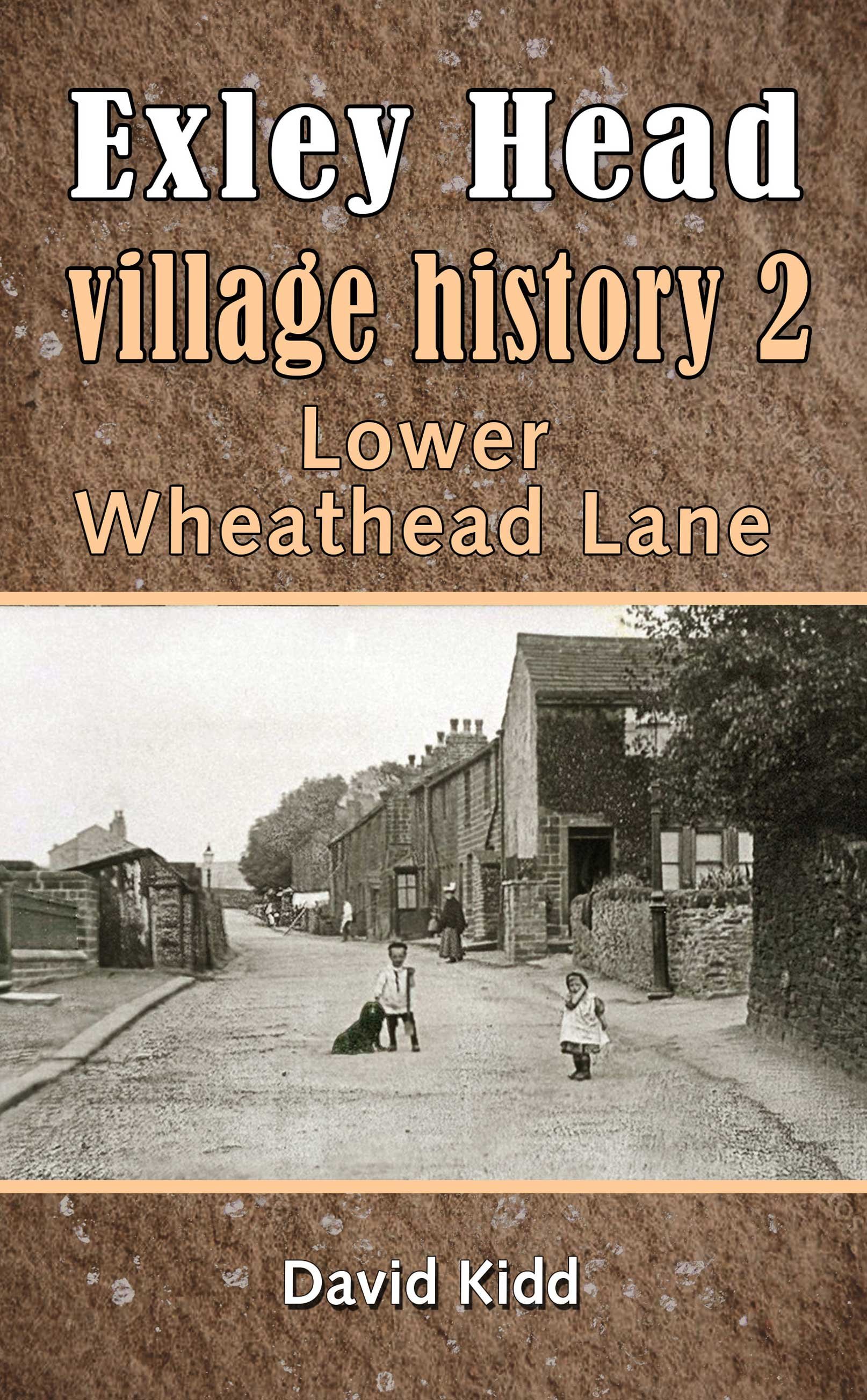
Vol. 2. Lower Wheathead Lane
Hand-workers were made redundant by factories. Two centuries of history are brought to life by stories of resident families and the jobs they held. The people endured by keeping cheerful and cultivating good neighbourliness. The book includes the demographic database and comparison of the wages of trades with modern equivalents
24 maps, 25 diagrams and 18 historical photos; 213 pages; 35 k words
AMAZON UK £2.50
Vol. 3. Cattle, Land owners.
Imagine the air still smelled of grass, cows and hay: you were in a farmyard in the West Riding of Yorkshire, confronted by a farm machine and the first fertiliser. Changes came to farming in the 19th century. An old notice described the lane as "the road leading to a place called the Hoyle", but by modern times, no one could understand why. Our research has unveiled Earth’s mystery.
90 images, 240 pages, 28 k words
AMAZON UK £2.50
Vol. 4. The Corner. New building methods. Urban expansion, Oakbank, Linton.
In this Yorkshire hamlet, each family wanted a new house, well built, but in 1780, their public land was taken behind a stone wall, a boundary, and they had waited ever since for the availability of building land. Nevertheless, by 1972, all the residents of the community were once more owners of their ancient land. This narrative recounts when there were only four frugal Victorian rentals, until the new landowner sold a local area, behind the chapel, to build an Edwardian terrace. This book is illustrated by high-detail old maps, antique photos, and diagrams that make clear their subsequent struggle with the steep field where, undaunted by a geological fault line, World War, and three recessions, they built seventy semi-detached homes. Over many years, they worked intermittently, which made each avenue showcase a modest rural version of a distinct period in modern architecture. And those who were children back then tell us stories that breathe life into it all. While national style marks a fashion, a home must reflect a family spirit, emotions, tastes, security, and sanctuary. The style of this village is the enduring spirit and perseverance of its community.
Vol. 5. The Chapel, Methodist Church
Churches today can find their trustees confronted by disputes that threaten to undermine joyful, spirit-filled Christian community. A Methodist Chapel near Haworth, UK, suffered until it found a way to resolve the issue. The chapel was built during the turbulent 19th century, as the working class transitioned from farming to mill work. John Wesley's message of social equality inspired villagers to establish a Meeting House. This study explores the many obstacles they encountered, beginning with a landowner's conditions that sparked such opposition among the trustees that half resigned, delaying the Chapel's opening. Yet the Spirit returned to foster cooperation and goodwill, and the building became a cornerstone of the community, serving its mission from 1853 until 2023. Featuring photographs and illustrations, this work is valuable for scholars of rural sociology and local history.
Vol. 6. Lord of the manor.
Vol. 7. The Lord of the manor and his demise. Rural industry. Parish Workhouse. Free education.
coming soon
Exley Head Remembered has its own facebook page "Exley Head Remembered" where villagers share their memories. see also Exley Head on Pinterest and Twitter: